Photographing young children well is mostly a pacing problem, not a talent problem in the child. Toddlers have a short window of cooperation, preschoolers perform and then collapse, and shy school-age kids need time before they trust the room in Indian Trail. A session built around those realities gets good portraits without anyone raising their voice.
Parents often arrive apologizing in advance for behavior that has not happened yet. Photographers who work with children expect wiggles, refusals, sudden tears, and a child who will only smile while holding a parent's leg. Those moments are part of the session, and some of them become the portraits families love most.
Timing is the biggest lever
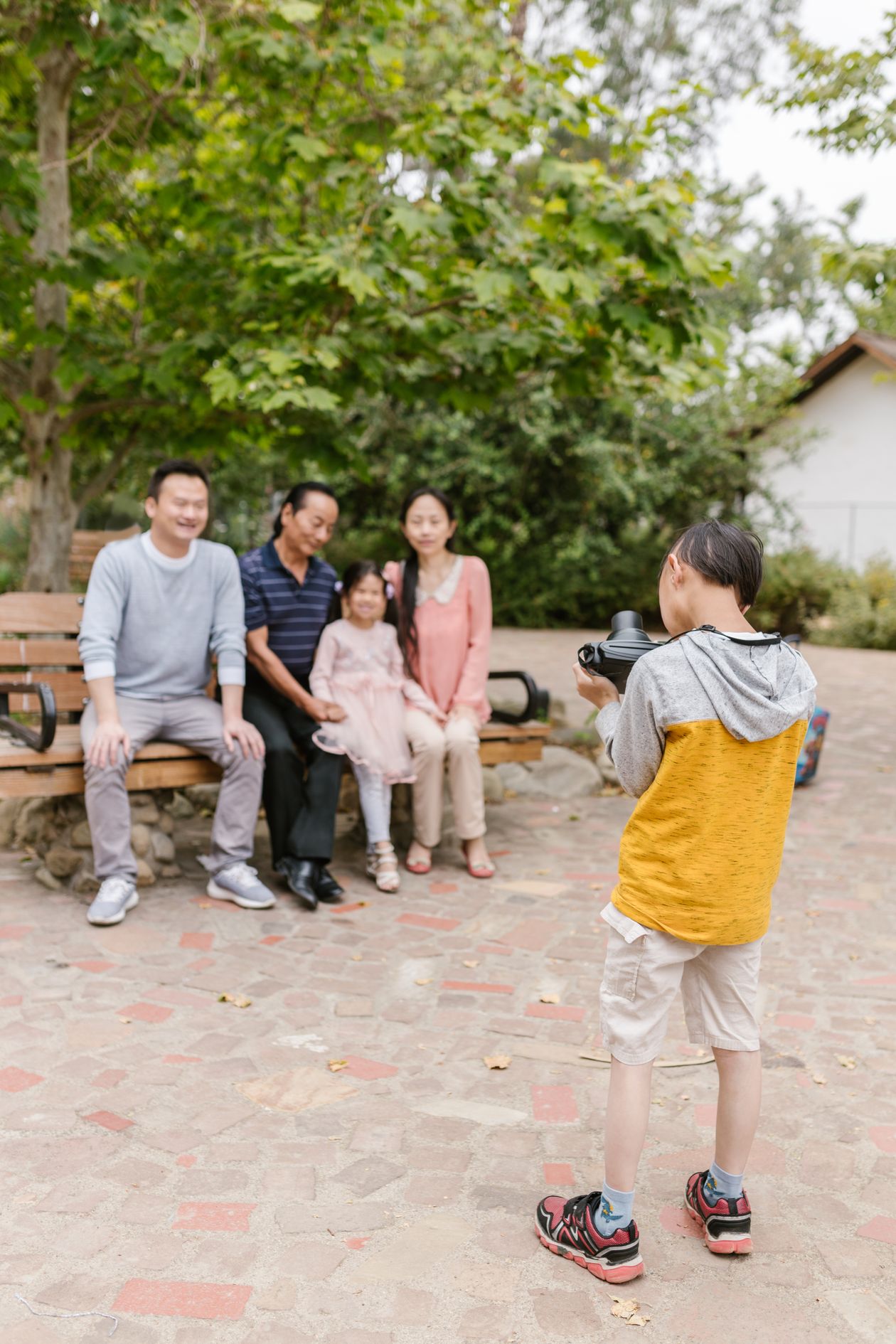
Book for the child's best time of day, usually after a nap and a meal, not at the end of a long morning of errands. Tell the photographer the window you expect, honestly. Thirty good minutes from a toddler is a success, and a session plan that gets the whole-family image and the child's individual portrait inside that window protects the result.
Bring the comfort tools: a familiar small toy or blanket for the first minutes, a snack and drink for a break, and a change of clothes. In Union County summer heat, even a short outdoor session can leave a small child flushed and done, so shade, water, and an indoor or studio backup matter.
How a patient session unfolds
Expect the photographer to start with the child held by a parent, where they feel safest, rather than placed alone in front of a backdrop and asked to smile. Siblings can help or distract, so their order matters too. Short bursts of attention, a silly sound, a game of peekaboo, then a pause, work better than a long demand to hold still.
Adults help most by looking at the camera themselves when asked, keeping hands relaxed, and not calling instructions from behind the photographer. Several voices giving different directions confuse a child and pull their eyes in several directions. Let one person, the photographer, run the moment, and keep your own expression pleasant even when your child is not cooperating, because you are in the frame too.
What not to do
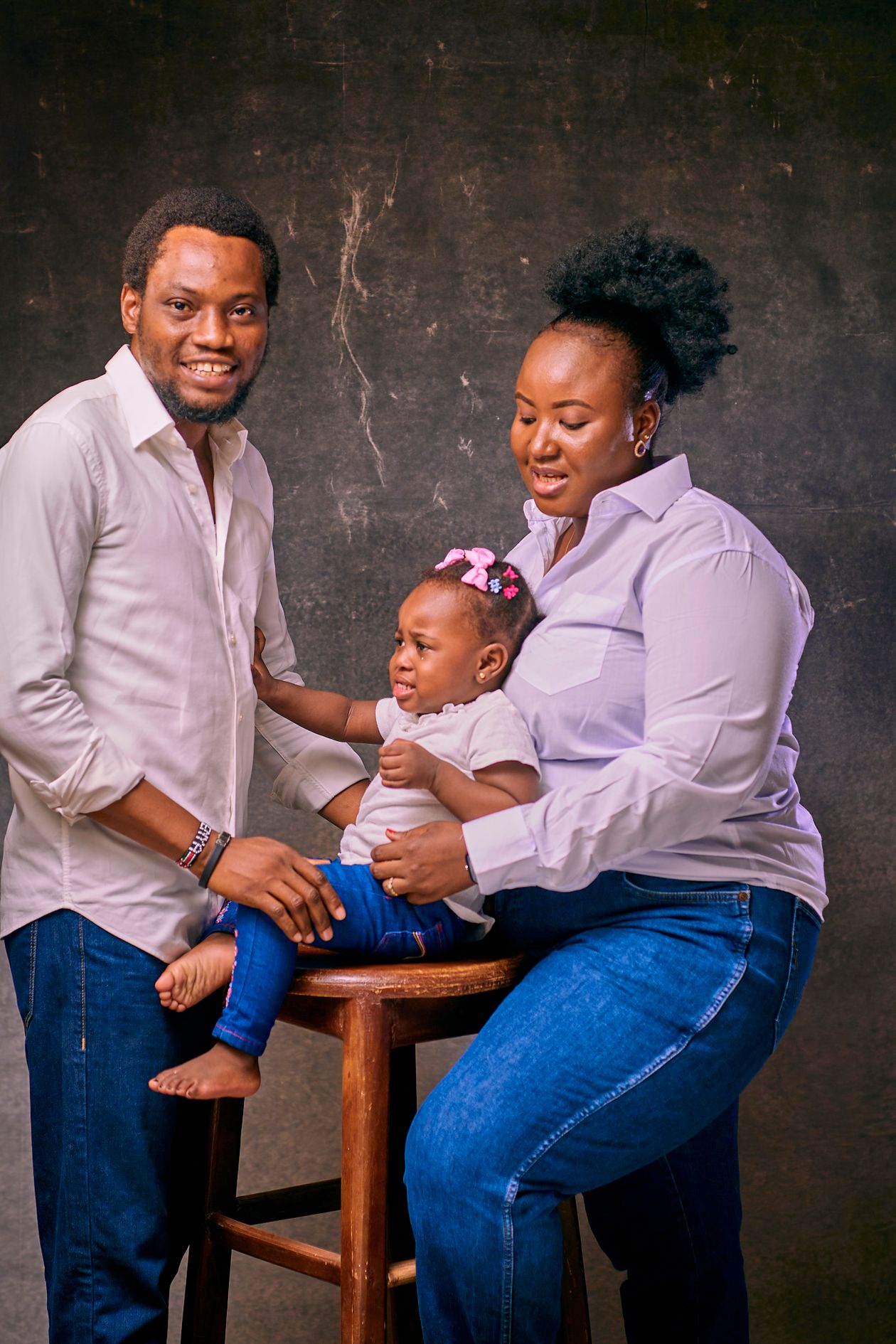
Do not threaten, bribe on an escalating scale, or apologize repeatedly during the session. Children read adult stress quickly. Do not force a pose a frightened child hates, such as being held by a relative they barely know, when a parent's arms will produce a better image and a better memory. And do not judge the session by the hardest five minutes. Judge it at the viewing, by the frames that exist.
Older children are a different problem
School-age children and tweens rarely melt down. They get self-conscious, perform a fixed smile, or refuse to be cute on command. Giving them a job, holding a sibling's hand, choosing between two poses, and showing them a good frame on the camera often restores cooperation. Respecting a reasonable limit, such as no silly faces after the formal shots are done, also helps.
The portraits that last are rarely the ones where every child performed perfectly at the same second. They are the ones where the family looks connected and the children look like themselves at that age, gap teeth, serious phase, and all.
After the session, keep expectations steady
Parents often leave a children's session in Indian Trail convinced nothing worked, because they remember the tears and not the twenty calm seconds between them. Cameras capture fractions of seconds, and a skilled photographer needs only a few good fractions. Wait for the viewing before judging. You will likely see expressions you did not notice while you were busy holding, soothing, and smiling at the same time. Choose prints for connection and genuine expression rather than perfect posture. A slightly leaning, fully laughing portrait of your child at three will mean more in twenty years than a rigid one where everyone finally obeyed at once.
Common questions
What is the best time of day for photos with a toddler?
After a nap and a meal, at the time the child is usually happiest. Tell the photographer that window honestly and plan priority shots inside it.
What if my child will not cooperate at all?
A patient photographer will work with the child held by a parent, take breaks, and use short bursts of attention. Judge the session at the viewing, not by the hardest minutes.
Should we bring snacks and toys?
Yes. Bring a snack and drink for a break, a small comfort item for the start, and a spare outfit. Keep toys small and easy to set aside for formal frames.
Photos in this guide are representative stock images.
← All guides from Terri's View Photography← Back to Terri's View Photography