A headshot has one job: to look like you on a good, rested day, so people recognize you when you walk into the room in Indian Trail or join a call from home. It fails when it is ten years old, heavily filtered, cropped from a wedding photo, or so formal that it belongs to a different line of work.
Updating a headshot feels vain to many adults, which is why they put it off until a job search, a promotion, a speaking invitation, or a new business makes it urgent. A planned session, taken when you are not rushed, almost always produces a calmer and more usable image.
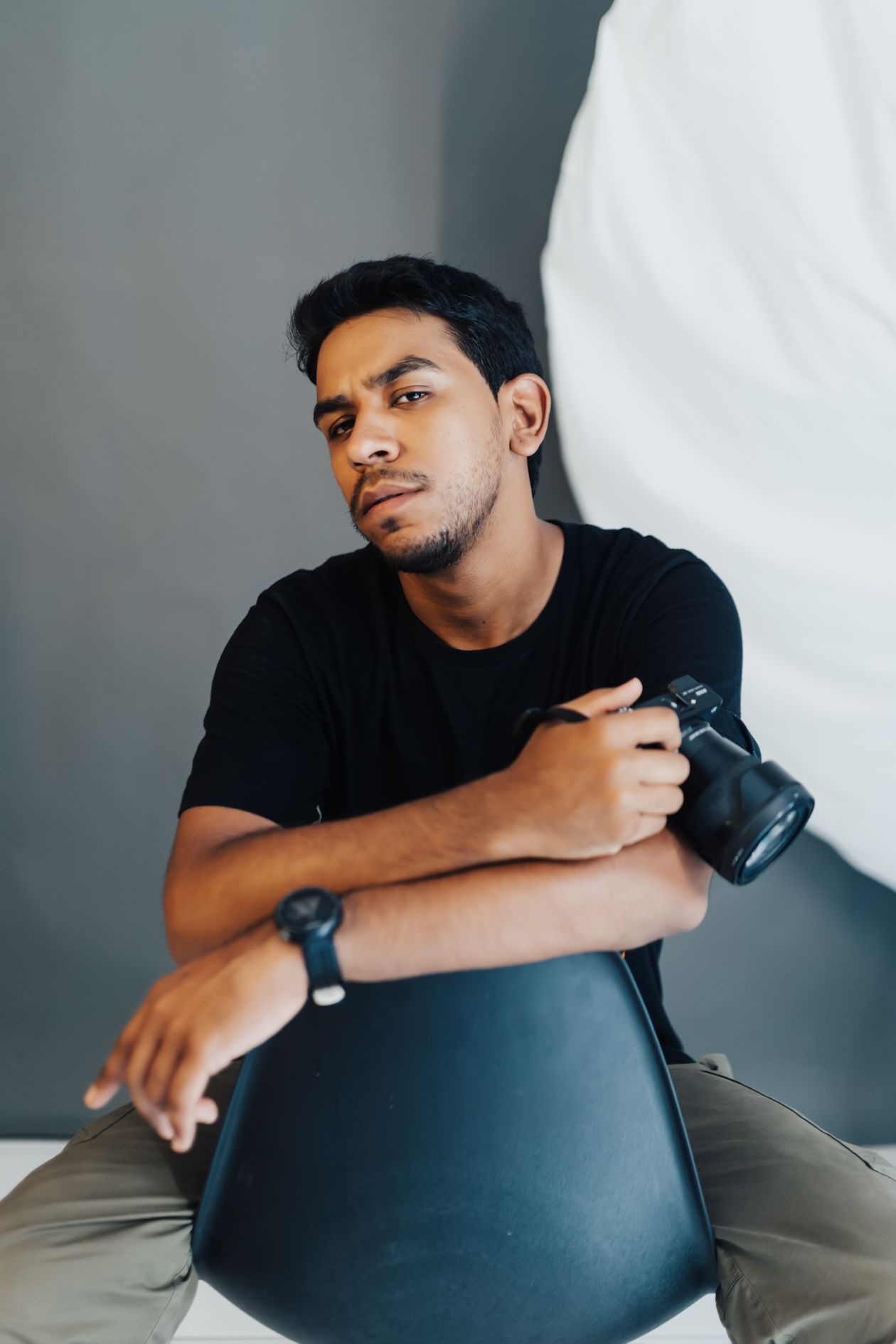
Decide where the image will be used
Tell the photographer the main uses before the session: company website, LinkedIn, audition, real estate, speaking program, or a small business site. Each use favors a slightly different crop, background, and level of formality. A corporate team image needs consistency with colleagues. A solo consultant in Union County has more freedom, but still needs an image that reads clearly at small size on a phone screen.
Ask for both a tight crop and a slightly wider one if possible. Different platforms crop differently, and a little extra room around the head and shoulders prevents an awkward cut later.
Clothing that supports, not distracts
Wear what you would wear meeting an important client in your field, in solid colors that suit your skin tone. Bring a second top or jacket, because the outfit you are sure about sometimes photographs differently under studio light. Avoid tiny patterns that shimmer on camera, large logos, and very bright white alone, which can pull exposure away from your face. Jewelry should be the amount you normally wear, no more.
Grooming should look like you, on purpose. Haircut about a week ahead, neat facial hair, and makeup that matches your usual professional appearance, slightly more defined for the camera. A heavy new look the day of the session is the most common reason people dislike an otherwise good headshot.
- Name the main uses for the headshot before the session
- Bring two tops or a jacket option, in solid colors
- Wear the glasses you normally wear, and tell the photographer about glare
- Schedule haircuts about a week ahead, not the day before
- Bring powder or blotting paper for shine, especially in humid weather
- Empty pockets and remove a bulky smart watch if it dates or distracts
- Ask for tight and wider crops for different platforms
- Plan to update the image when your appearance changes materially
Expression and posing
Most people need a few minutes and a set of test frames to stop performing for the camera. A slight turn of the shoulders, chin adjustments, and a real, small smile photograph more naturally than a fixed grin held for a minute. Look at the images during the session if offered, and say plainly what you dislike. Photographers can fix posture, light, and angle. They cannot read a polite silence.
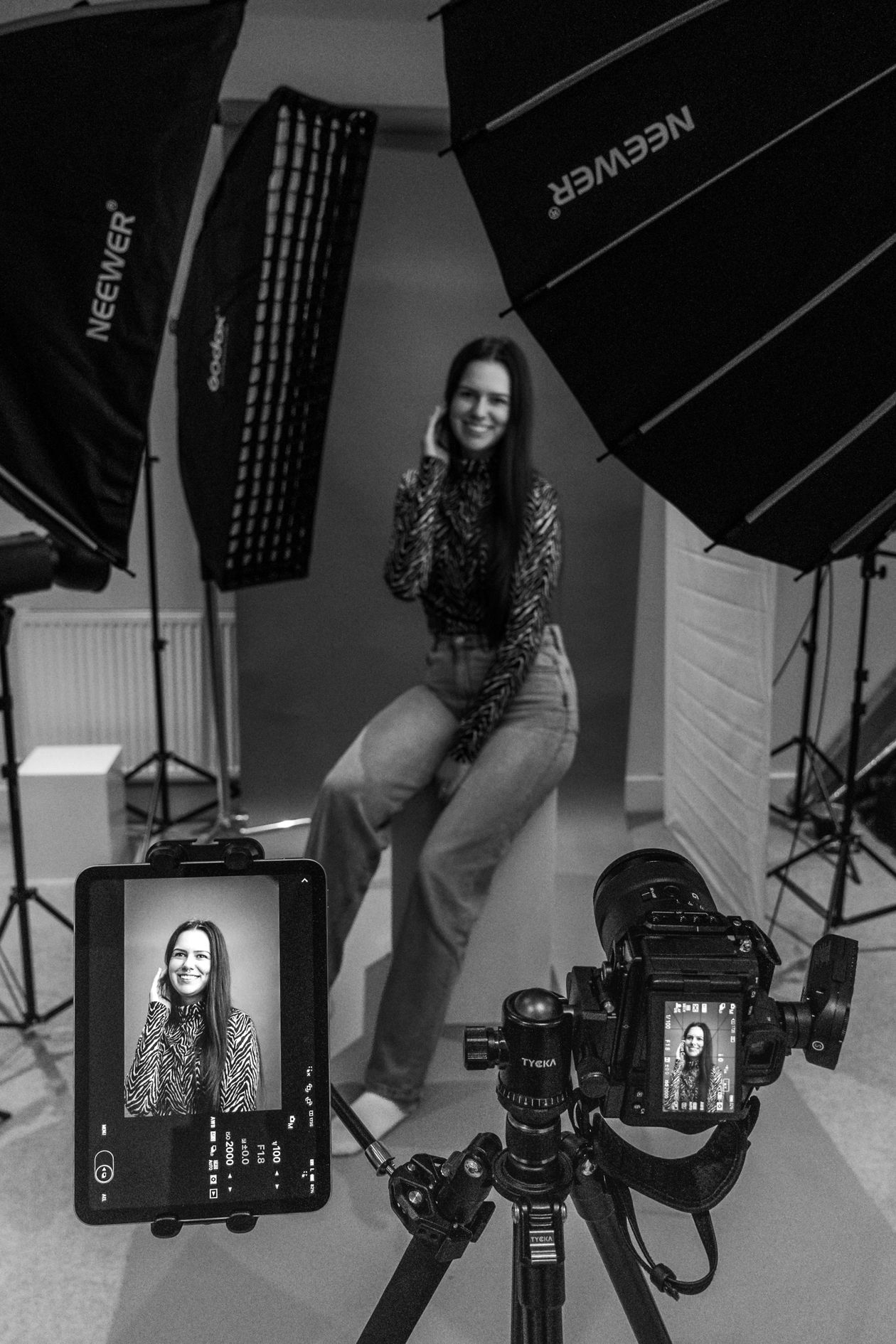
Choosing the final image
Choose the frame where you look rested, direct, and like yourself, not the frame where you look youngest. Ask a trusted colleague which image they would recognize in a hallway. Retouching should clean temporary blemishes and stray hairs while leaving the person intact. If you cannot imagine using the image for two or three years, say so while reshooting is still easy.
In a region where much business starts online, a current headshot is basic professional equipment for Indian Trail workers, similar to a working voicemail greeting. It does not need to be dramatic. It needs to be current, clear, and honest.
Test the image at small size
Before you finalize a headshot, look at it at the size people will actually see it: a small circle on a phone, a thumbnail in a directory, and a program page. At that size, contrast, a clear background, and a direct expression matter more than fine detail. If your face disappears into a busy backdrop or your expression reads as severe when shrunk, choose a different frame. Indian Trail professionals often work across several platforms at once, from a company site to a community program, and one strong, legible image that survives every crop is worth more than three dramatic ones that only work large.
Common questions
How often should I update a professional headshot?
Update it when your appearance changes in a way people would notice, or every few years as a matter of routine. An outdated image undermines recognition.
What should I wear for a headshot?
Solid colors at the formality level of meeting an important client in your field. Bring a second option or jacket, and avoid tiny patterns and large logos.
Should I wear my glasses in a headshot?
If you wear them daily, wear them, so people recognize you. Tell the photographer in advance so lighting can be adjusted for glare.
Photos in this guide are representative stock images.
← All guides from Terri's View Photography← Back to Terri's View Photography